Cleaning Products Worth Considering: A Practical Buyer’s Guide
The short list of cleaning product types most homes can use, how to read a label, and which marketing claims deserve a second look.
Disclosure: Some product links on this site may earn us a commission. Read our affiliate disclosure.
Walk down a cleaning aisle and you’d think every surface in your home needs its own bottle. Most homes can get by with a much shorter list, and buying fewer products also reduces the chance of storing incompatible chemicals side by side.
The short list
| Product type | Best for | Worth knowing |
|---|---|---|
| All-purpose cleaner | Counters, sealed surfaces, general grime | Check surface compatibility, especially for natural stone |
| Dish soap | Dishes and light general cleaning | Often more versatile than people expect |
| Glass cleaner | Mirrors and windows | A damp microfiber cloth may be enough for light smudges |
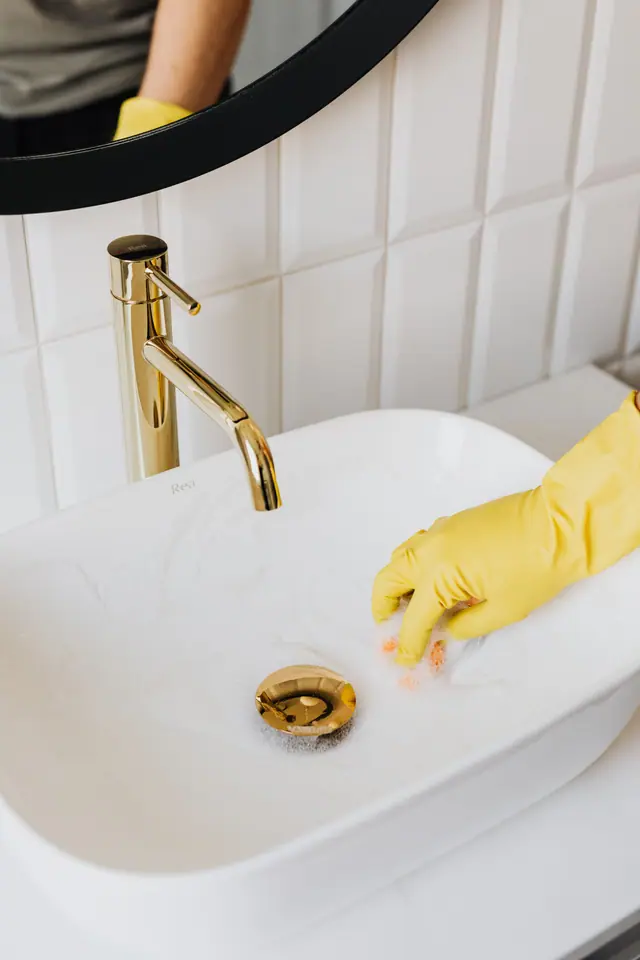
| Bathroom descaler | Soap scum, lime | Usually acidic: keep away from bleach and check surface limits |
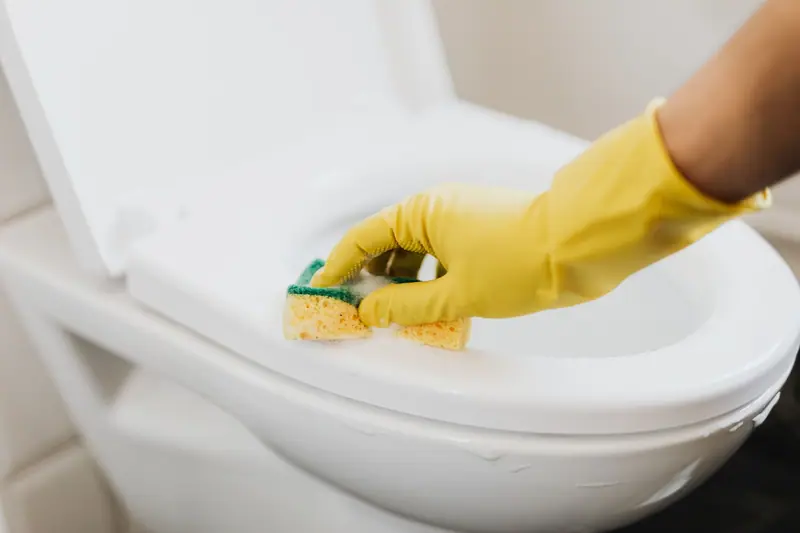
| Toilet bowl cleaner | Rings and stains | May be acidic: read the label and never mix |
| Disinfectant | Targeted uses, such as illness | Look for an EPA registration number and a contact time |
| Oxygen bleach | Laundry stains, some surfaces | Follow the label; not for wool or silk |
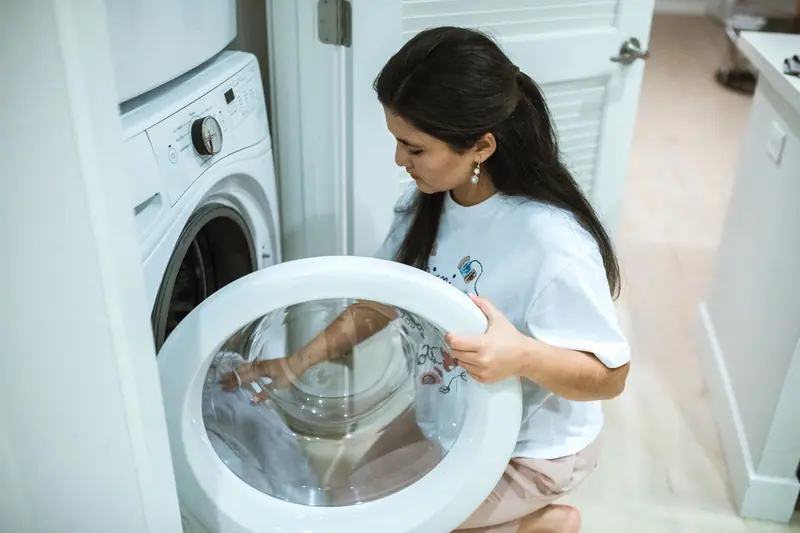
| Washing machine cleaner | Monthly machine maintenance | Confirm that it’s compatible with your washer |
The tools that matter more than the bottles
A basic toolkit
- Microfiber cloths, in two colors to separate kitchen from bathroom
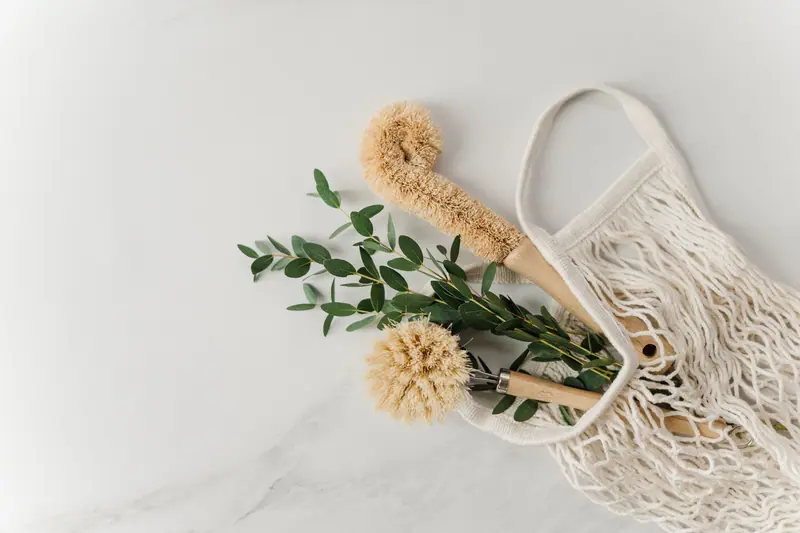
- A non-scratch sponge and a scrub brush
- A squeegee for shower and windows
- A toilet brush with a holder that allows it to drip dry
- Rubber gloves
- A vacuum with attachments suited to your floors
- A mop that’s easy to rinse
Good tools let a mild cleaner go further. A soft cloth and a little dish soap will handle a surprising share of everyday jobs.
How to read a label
Signal words. Federal rules for pesticides, which include disinfectants, use terms like “Caution,” “Warning,” and “Danger” to indicate the level of hazard. Many other cleaners also carry safety information. Read it before you buy, particularly if you have children or pets.
Directions. A product’s directions tell you which surfaces it suits and how long to leave it on. Skipping that step is one of the most common reasons that a product doesn’t seem to work.
EPA registration. Products that claim to kill germs are required to be registered with the EPA, and they display an EPA registration number. A product without one shouldn’t be making disinfecting claims.
Third-party certifications. EPA’s Safer Choice program and Green Seal are examples of independent or government-run programs with published criteria. Check that the mark is real and applies to the specific product.
Claims to approach with care
| Claim | What to ask |
|---|---|
| “Natural” | Not a regulated term for cleaners. What’s actually in it? |
| “Non-toxic” | Not a standard defined term. What are the warnings on the label? |
| “Chemical-free” | Everything is made of chemicals, so this doesn’t tell you much. |
| “Kills 99.9% of germs” | Which germs, on which surfaces, with what contact time? |
| “Eco-friendly” | Is there a recognized certification behind it? |
| “Works on everything” | Check the list of surfaces it shouldn’t be used on. |
How to choose
If you have children or pets
Choose fewer products, store them locked or up high, and read the label for specific warnings. A product that’s marketed as gentle can still be harmful if swallowed.
If you’re sensitive to fragrance
Look for “fragrance-free” instead of “unscented.” The second may contain masking fragrances. People with asthma or allergies may want to ask their doctor about particular products.
If you have natural stone or special finishes
Acidic products such as vinegar and many descalers can etch marble, limestone, and some other surfaces. Look for a product made for that surface, and test it in an inconspicuous spot.
If you have a septic system
Check for a statement that the product is septic-safe, and avoid pouring large amounts of bleach or harsh chemicals down the drain.
A four-step check before you buy
- Name the job. Be specific about the mess and the surface.
- Check what you own. A product you already have may be labeled for this job.
- Read the back of the package. Look at the surfaces listed, the directions, and the warnings.
- Plan the storage. Decide where it will live, and make sure it won’t sit beside something incompatible or within children’s reach.
Spend or save?
Saving money on cloths that wear out quickly usually isn’t worth it, while spending extra on a specialty spray for a job a general cleaner can do may not be either. Before buying a new product, ask what you’re trying to fix, whether something you own can do it, and if it’s safe to store alongside what you have.
Frequently asked questions
Have you tested these products?
Not for this guide. It’s a research-based overview of product types. If we ever publish hands-on testing, we’ll label it clearly and explain how we did it.
Do I need a separate cleaner for every room?
Usually not. A general-purpose cleaner, dish soap, and a bathroom product will handle most routine jobs when you’re using them according to their labels.
Is homemade cleaner better?
Not necessarily. Simple mixtures have their uses, but mixing your own products can be risky, and a homemade spray doesn’t disinfect in the way that a registered product does.
How do I dispose of cleaning products I no longer want?
Follow the disposal directions on the label, and check with your local household hazardous waste program for products that need special handling.
This guide is general information. Your home, appliances, and products may differ, so follow manufacturer instructions and product labels. Spot an error? Tell us, or read our Editorial Policy.