What to Keep Under Your Kitchen Sink (and What to Remove)
It’s a damp, dark cabinet that’s often within a toddler’s reach. Here’s how to set it up so it’s useful and safer.
Disclosure: Some product links on this site may earn us a commission. Read our affiliate disclosure.
The cabinet under the kitchen sink is convenient, and that’s the problem. It becomes the default home for every spray bottle in the house, in a space that’s prone to leaks, often has no lock, and sits at exactly the height of a curious child.
A little editing makes it more useful and safer.
What can stay
These items are low-risk, or are used right at the sink:
| Keep | Why |
|---|---|
| Extra dish soap, sponges, and brushes | Used at the sink every day |
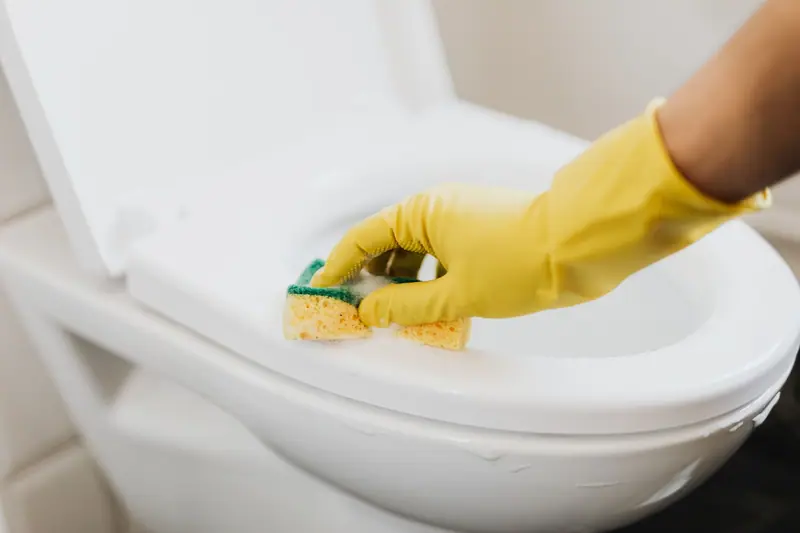
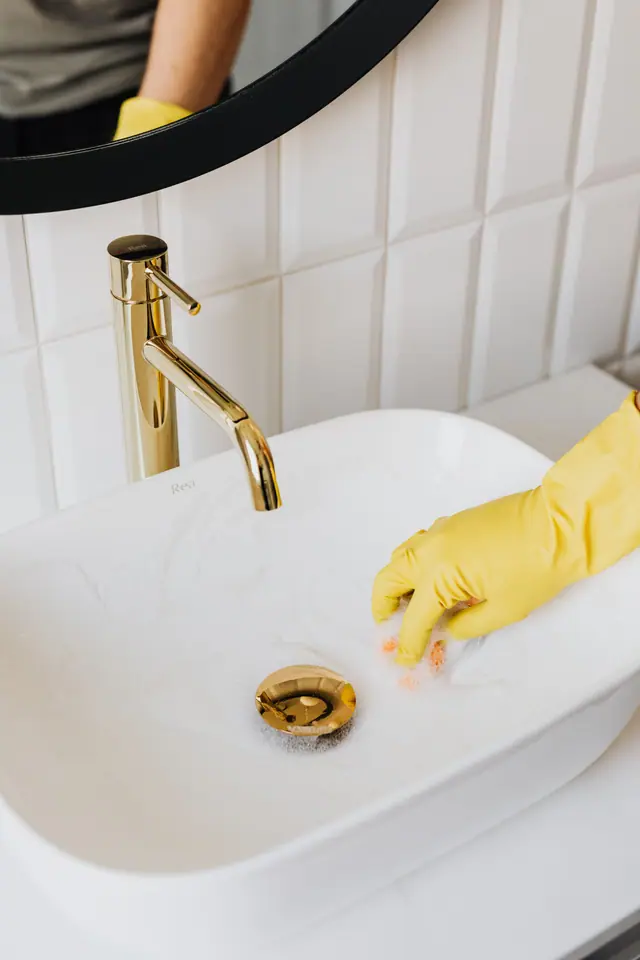
| Rubber gloves | Handy for washing up and cleaning |
| Dishwasher detergent, if locked or out of reach | Used nearby, but concentrated and hazardous if swallowed |
| Trash bags | Near the bin, and moisture-tolerant |
| A small dishpan or caddy | Handy for moving supplies around |
| Clean rags | Useful for quick spills, stored in a bin |
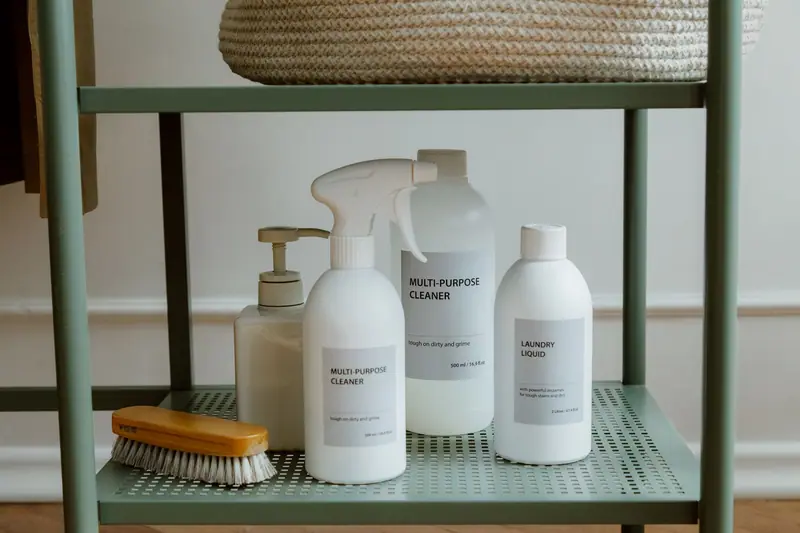
| A few everyday cleaners, if no children are present | Stored upright in original containers |
What should move
Flammables and aerosols
Anything flammable or under pressure, including aerosol cans, solvents, and polishes, should be kept away from heat and any source of ignition. Check each label and move them to a cool, dry location that’s out of children’s reach.
Drain openers and other harsh chemicals
Drain openers can be extremely corrosive. If you own one, store it locked up and high. Consider buying only what you need, and never use a chemical drain product followed by a different product in the same drain.
Pesticides and rodent bait
These don’t belong near food or food-preparation areas. Follow the label, and keep them in a locked location, away from children and pets.
Anything that shouldn’t get damp
- Paper goods such as paper towels, in bulk
- Pet food and people food
- Medicine
- Small electronics and batteries
- Tools that can rust
Things you just don’t use
Half-empty bottles that have sat for years can be a safety concern as well as a clutter problem. For hazardous products, follow the disposal directions on the label or contact your local household hazardous waste program. Don’t pour unknown chemicals down the drain.
How to set up the cabinet
- Empty everything. Check containers for leaks or damage.
- Look for trouble. Run water and look for drips around the pipes and shutoff valves. Check for soft spots, stains, or a musty smell.
- Clean and dry the base. Let it dry fully before anything goes back. If there’s a sign of mold or an active leak, deal with that first.
- Consider a liner. A waterproof mat or tray can protect the base and make drips more visible.
- Work around the plumbing. Use a narrow bin on either side of the drain. Never block access to the shutoff valves.
- Stack only what’s stable. Keep the heaviest items low and at the front so that you don’t have to reach over them.
- Add a latch. If children ever visit, fit a child-resistant latch and test that it engages every time.
Maintenance
Check the cabinet once a month. Feel the pipes for moisture, look for new stains, and remove anything that has crept back in. It takes less than a minute, and a small leak found early is much cheaper to deal with than a ruined cabinet.
Frequently asked questions
Is it safe to store cleaning products under the sink?
It’s common, but it’s risky if children might reach them. If you can, store them up high and locked. If they must stay low, use a reliable latch, and never rely on it alone for supervision.
What should I do if a child swallows a cleaning product?
Call Poison Help at 1-800-222-1222 right away, or 911 if there’s an emergency such as trouble breathing or collapse. Have the container with you. Don’t try to make the child vomit unless a professional tells you to.
Can I store paper towels under the sink?
A small number in a waterproof bin is fine, but bulk paper is better kept somewhere dry.
How do I dispose of old chemicals?
Read the label and contact your city or county’s household hazardous waste program. Don’t mix leftovers together.
This guide is general information. Your home, appliances, and products may differ, so follow manufacturer instructions and product labels. Spot an error? Tell us, or read our Editorial Policy.