10 Small Changes That Can Reduce Your Home’s Energy Use
Thermostat habits, drafts, and laundry settings. Ten modest changes worth trying, with an honest word about what they can and can’t do.
Disclosure: Some product links on this site may earn us a commission. Read our affiliate disclosure.
Lowering a home’s energy use is rarely about one heroic purchase. More often it comes down to a number of small adjustments, most of which take an afternoon or less.
1. Rethink your thermostat schedule
Heating and cooling are usually the largest shares of a home’s energy use. The U.S. Department of Energy suggests setting the thermostat back by 7 to 10°F for about eight hours a day when you’re asleep or away. A programmable or smart model can do it automatically. If anyone in the home is elderly, very young, or has a medical condition, comfort and safety come first.
2. Switch to LED bulbs as old ones burn out
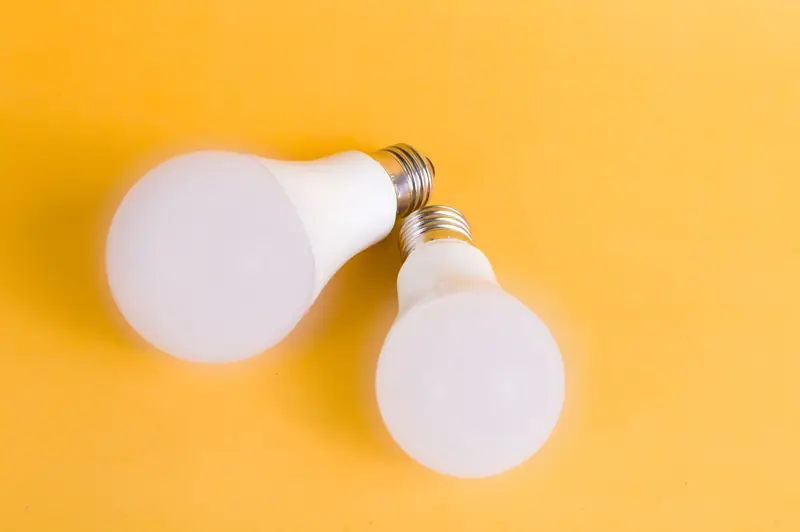
According to the Department of Energy, residential LEDs use far less energy than incandescent bulbs and last much longer. You don’t need to replace everything at once. Start with the fixtures you use the most, and buy by lumens rather than watts.
3. Seal the obvious drafts
Check around windows, doors, and places where pipes or wires pass through walls. Weatherstripping and caulk are inexpensive. Renters can often use removable window film or a door sweep, but ask your landlord before making permanent changes.
4. Check your water heater setting
Many water heaters are set hotter than necessary. The Department of Energy notes that 120°F is adequate for most households. Check your manual, and keep in mind that some households, such as those with certain health concerns, may need different settings.
5. Wash laundry in cold when it makes sense
Much of the energy used for washing goes to heating water. Cold water can suit many everyday loads, although sheets, towels, and heavily soiled items may still benefit from warmer water.
6. Dry smarter
Clean the lint filter before each load, which helps the dryer work properly and reduces fire risk. Dry similar fabrics together, use moisture-sensor settings when you have them, and air-dry whenever it’s convenient.
7. Run full loads
Dishwashers and washing machines use a similar amount of energy for partial loads, so waiting until they’re full is an easy gain. Use your dishwasher’s air-dry setting if it has one.
8. Look after your air filters
A clogged filter makes the system work harder. Check it monthly during heavy-use seasons and replace it as recommended by the manufacturer. Schedule routine maintenance if your system is due.
9. Use window coverings strategically
Close blinds or curtains on sunny windows in summer and open them to let the sun in on winter days. At night in winter, closed curtains can reduce some of the chill coming off the glass. Ceiling fans can help you feel cooler when you’re in the room, but they cool people, not the air, so turn them off when you leave.
10. Tame standby power
Some electronics draw power even when they’re off. Plug entertainment and computer equipment into a power strip that you can switch off, or use smart plugs, leaving out devices that need constant power, such as routers and medical equipment.
Where to start
| If you have | Try this first |
|---|---|
| Five minutes | Change the thermostat schedule; clean the lint filter |
| An hour | Replace frequently used bulbs; check air filters |
| An afternoon | Weatherstrip a drafty door; check for window leaks |
| A bigger budget | Get a professional assessment before buying equipment |
A simple way to begin
- Look at your bills. Note the months when your use is highest, which can point you toward heating, cooling, or something else.
- Choose two changes. Pick ones you can finish this week, and leave the others for later.
- Write down the date. That way you’ll know what you changed and when.
- Compare carefully. Check against the same months in an earlier year if you can, and remember that weather and rates can affect the numbers.
- Ask for an assessment. If you’re considering a larger project, get specifics for your home first.
Frequently asked questions
What single change saves the most energy?
It depends on the home. Heating and cooling are typically the largest uses, so thermostat settings and air leaks are often good places to look.
Does turning lights off really make a difference?
Yes, though with LEDs the effect per bulb is small. The habit still adds up across a home.
Are smart thermostats worth buying?
They can be useful if your schedule varies or you forget to adjust the settings manually. If you already use a programmable model well, the benefit may be smaller.
Will these changes pay for themselves?
Some may and others may not. It depends on your costs, usage, and local rates, so we can’t give you a universal payback period.
This guide is general information. Your home, appliances, and products may differ, so follow manufacturer instructions and product labels. Spot an error? Tell us, or read our Editorial Policy.